
Solana validators vote to keep full control of priority fees
Solana validators have voted on SIMD-0096, a proposal to self-allocate 100% of priority fees, ending the previous 50/50 split between burning fees and rewarding validators. The proposal was passed with a 77% approval.
According to descriptions of the proposal, it was designed to address specific flaws in Solana’s current validator system while maintaining alignment with incentives for network security.
While the vote for this specific proposal is over, its mechanisms may take several months to implement given how Solana’s mainnet does not support it yet. This delay would allow for more discussion and development for auxiliary proposals: SIMD-0123, for streamlining block reward distribution; and SIMD-0109, proposing a native tipping mechanism.
The changes brought forth by the proposal would effectively reduce any potential side deals which may happen between block producers and transaction submitters, a facet of the validator system that poses network security risks. Support for SIMD-0096 was forwarded from validators such as Jito, Helius, Stakehaus, Bonk, Leapfrog, Solend, Everstake, and Pico.sol. Validators who were not in favor of the proposal included GREED, Step Finance Solana Compass, Shinobu, Triton, AG, Pumpkin Pull, Edgevana, and Orangefin.
The opposing validators cited concerns on the potential impact of the proposal to the long-term price of SOL and the Solana ecosystem’s stability.
Critics such as Hanko Baggins and Bandito Stake argue that removing the burning mechanism would leave Solana’s annual inflation rate open, suppressing SOL pricing on the long-term. Solana co-founder Anatoly Yakovenko addressed these criticisms by characterizing priority fee burn as a “bug” in the system which had to be addressed. This is because the current system requires users to pay twice the priority fee just to outbid tips. These are not burned, and are transferred entirely to validators.
Disclaimer: The content of this article solely reflects the author's opinion and does not represent the platform in any capacity. This article is not intended to serve as a reference for making investment decisions.
You may also like
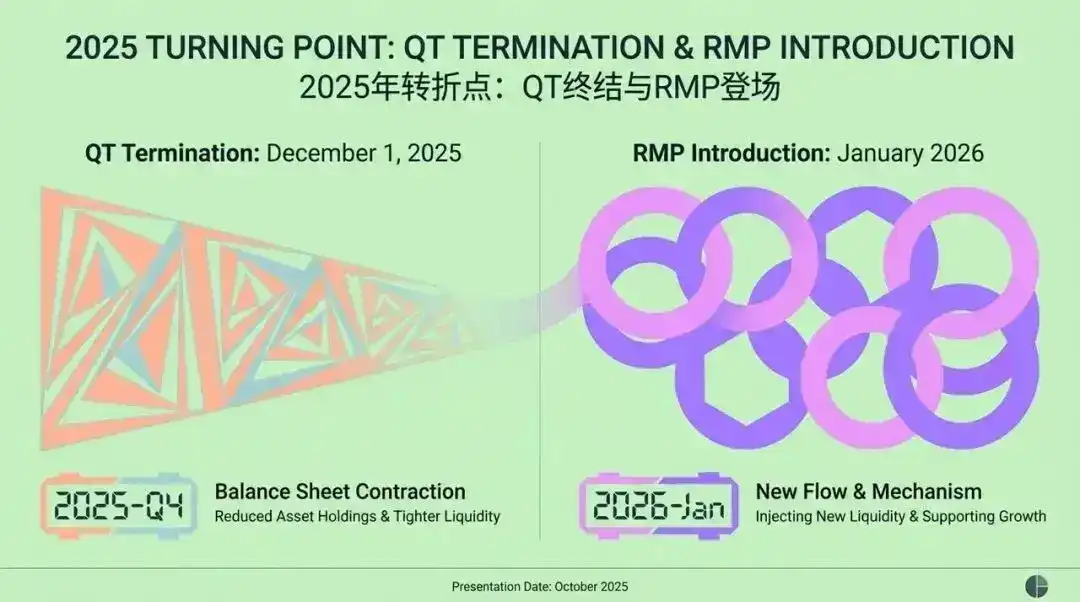
Federal Reserve’s Major Shift: From QT to RMP, How Will the Market Transform by 2026?
The article discusses the background, mechanism, and impact on financial markets of the Federal Reserve's introduction of the Reserve Management Purchases (RMP) strategy after ending Quantitative Tightening (QT) in 2025. RMP is regarded as a technical operation aimed at maintaining liquidity in the financial system, but the market interprets it as a covert easing policy. The article analyzes RMP's potential effects on risk assets, the regulatory framework, and fiscal policy, and provides strategic recommendations for institutional investors. Summary generated by Mars AI This summary was generated by the Mars AI model, and the accuracy and completeness of its content are still in the process of iterative improvement.
Rate Hike in Japan: Will Bitcoin Resist Better Than Expected?

Crucial Decision: Trump’s Final Interviews for Federal Reserve Chair Could Reshape Markets
Spot Bitcoin ETFs Defy Odds with $150M Net Inflow Despite BlackRock’s $136M Outflow
Trending news
MoreCrypto prices
More





